



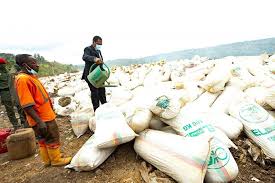



Mbah Shupong Michael, Director General of the North West Livestock Development Fund, CDENO, on May 15, 2026 launched the 2026 cattle vaccination campaign. The exercise which earmarks some 160,000 cattle across the North West Region aims at fighting dangerous livestock diseases. According to Mbah Shupong Michael, the exercise is part of government’s yearly animal health protection program which this year targets 160,000 cattle higher than the 148,000 animals vaccinated in 2025.
The launching of the campaign proper was the highpoint of a coordination meeting held at the CDENO conference hall in Bamenda. The meeting brought together veterinary officials, local administrators, herders and Ardos to prepare for the exercise.
According to officials, the vaccination campaign is important because it helps prevent the spread of deadly diseases that continue to affect cattle in the North West Region. Officials hold that the success of the campaign depends on total cooperation and collaboration of all stakeholders, especially the veterinary services, herders, Ardos and local authorities.
“We want to make sure every animal is vaccinated because one infected animal can contaminate an entire herd,” Mbah Shupong thundered.
According to him, one of the major challenges faced in previous years was reaching remote communities. To solve this problem, CDENO is working closely with Ardos and local animal health workers to ensure all areas of the region are covered.
“We encourage all cattle owners to present their animals for vaccination because this exercise is meant to protect their animals and improve livestock production,” he added. The campaign will focus on protecting cattle against common diseases such as anthrax and lumpy skin disease. Officials say four major vaccines will be used during the exercise, including Pastovax, Sypmthovax, Nodulovax, and Anthravax.
The vaccination campaign is expected to last for about three months, while an evaluation of the exercise is scheduled for August 28, 2026.
CDENO officials warned that refusing to vaccinate cattle could create health risks to the population, spread diseases in the farms and communities. They said cases of refusal may be reported to administrative authorities because of the dangers linked to disease outbreaks.
Veterinary officials say vaccination coverage has improved steadily over the years. The region moved from vaccinating about 129,000 cattle in earlier years to 139,000, then 148,000 in 2025, with a target of 160,000 for 2026.
The vaccination process involves identifying the number of cattle within each community before vaccines are distributed to the veterinary teams in the field.
CDENO says the program has greatly reduced disease outbreaks in areas where animals are regularly vaccinated and noted that many cattle herders who once resisted vaccination later accepted the exercise after seeing the impact of diseases on unvaccinated herds. Speaking during the launching exercise, Dr. Venasius Sama Dodoh, Divisional Delegate of MINEPIA for Menchum, described the vaccination campaign as important not only for Cameroon but also for neighbouring countries.
He explained that cattle from Cameroon supply countries such as Equatorial Guinea and Gabon, making livestock protection important for both the economy and regional trade.
Dr. Dodoh also praised Cameroon’s organized vaccination system, saying many neighbouring countries do not have such coordinated annual campaigns.
He revealed that awareness campaigns in Menchum Division started in March 2026 to prepare cattle herders ahead of the exercise.
Despite the progress made, he admitted that challenges such as insecurity, lack of transport, limited operational resources, and occasional resistance from some cattle owners continue to affect field operations.
He also mentioned security concerns in some parts of the region, including cases where field workers have faced threats while carrying out vaccination duties.
According to Dr. Dodoh, Menchum Division vaccinated 21,680 cattle in 2024 and 24,526 cattle in 2025. The division is now targeting 30,000 cattle for the 2026 campaign.
Despite the difficulties, officials remain hopeful that the campaign will continue to expand and help improve livestock production while reducing disease outbreaks across the North West Region.
Written with additional information from Observer237